
 Facebook
 X
X
 Pinterest
 Copy Link
Fredericton construction season is never minor for the people and neighbourhoods directly affected by it.
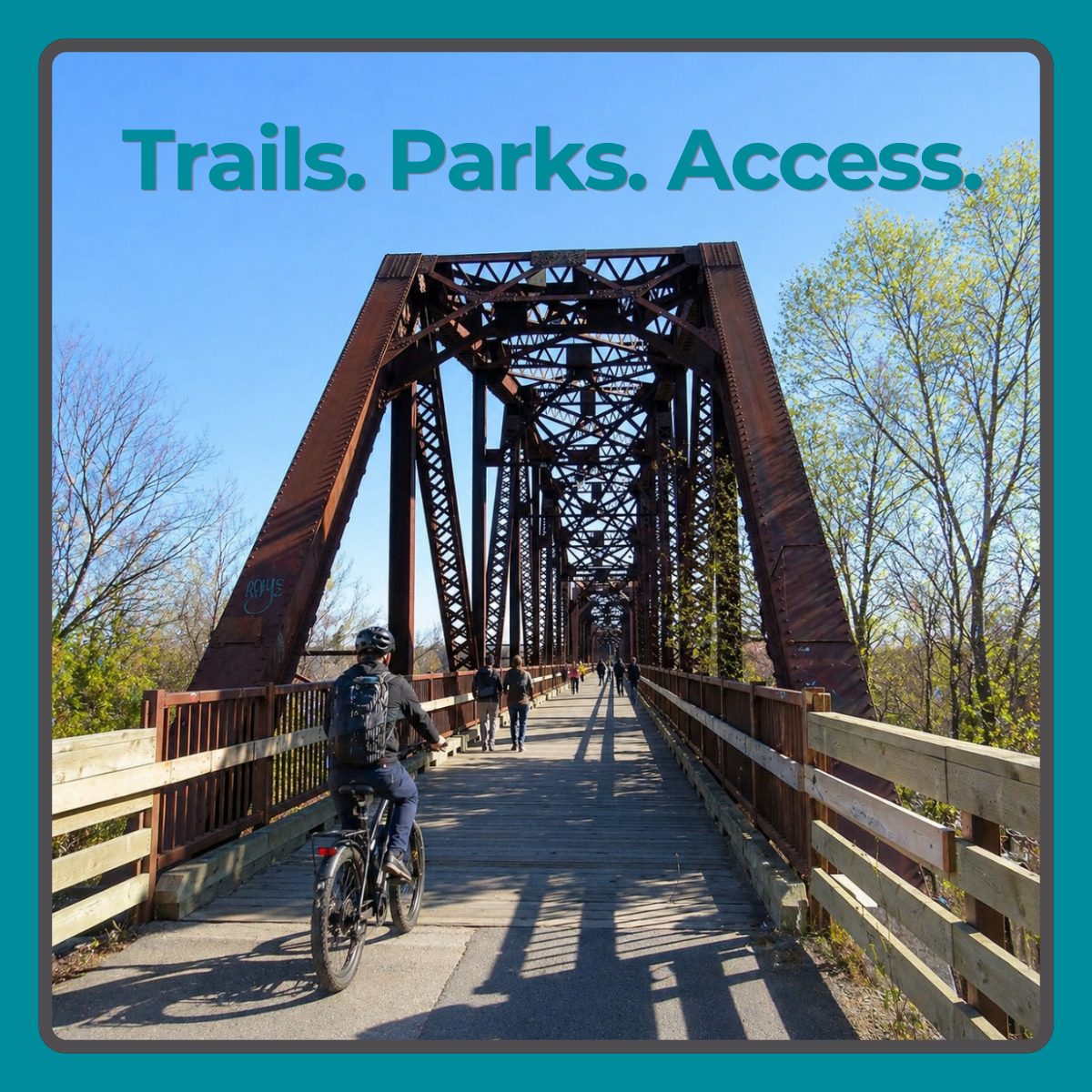
Our construction window is short, usually from May into mid October, so the season gets busy fast. Roads, bridges, water and sewer work, trails, parks, and public space upgrades all have to fit into a few workable months. That means detours are not occasional background noise. They become part of how people move through the city.
This year, that will be hard for me to ignore.
I live in Marysville, and several of the City’s 2026 construction projects will affect routes my family and I use regularly. The Cliffe Street and Brown Boulevard roundabout, the Crocket Street work, and the Westmorland Street Bridge area project all touch the way we move between home, work, appointments, showings, listings, and everyday family routines.
That is the part most people feel first. Construction changes timing. It changes routes. It changes how predictable, or frustrating, it is to get across the city.
But the bigger real estate point is not simply that construction causes delays.
It is that every neighbourhood works differently depending on how people move through it.
For one person, a trail connection may create a reliable daily commute. For someone else, vehicle access may still be essential because of work, family schedules, mobility needs, child care timing, tools, equipment, weather, or where they need to go next.
That is why this is a housing story.
A home is never just a structure on a lot. It is connected to roads, water and sewer systems, trails, bridges, parks, traffic patterns, schools, services, and future development around it.
This year, Fredericton construction season is not only about where work is happening. It is also a reminder to look at how location affects daily life.
Short Answer: How Fredericton Construction Season Affects Real Estate Decisions
Fredericton construction season can affect real estate decisions because roads, bridges, trails, parks, and infrastructure shape how a location works in daily life. For buyers, that can influence commute patterns, access, walkability, and long term convenience. For sellers, it can affect showing strategy, buyer confidence, timing, and how clearly the neighbourhood story needs to be explained.
What Fredericton Construction Season Includes in 2026
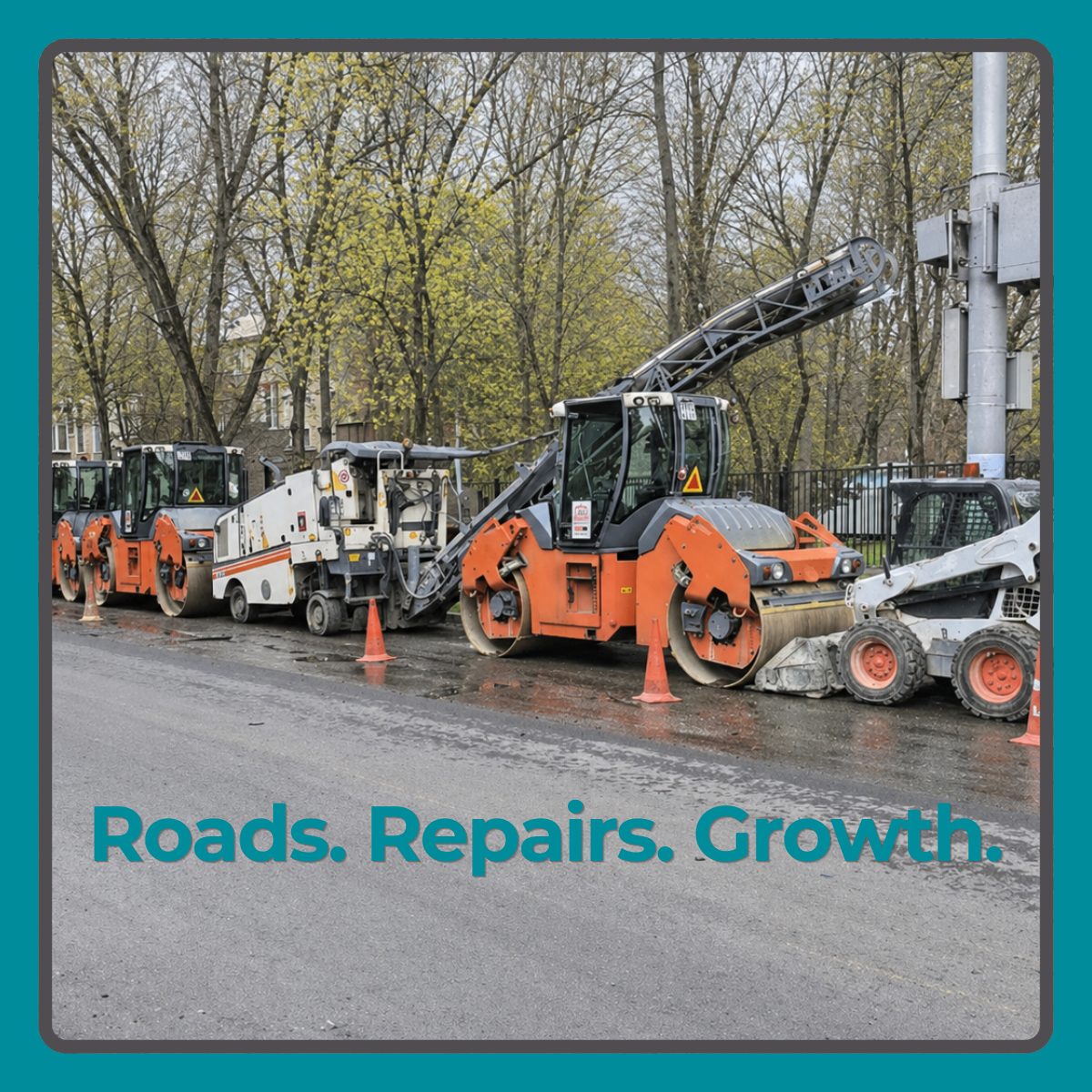 On April 23, 2026, the City of Fredericton announced its planned construction projects for the year. The City says the work will focus on supporting rapid growth, upgrading aging public infrastructure, improving climate resilience, creating safer streets, and improving public spaces.
That is the key point. This is not only about new pavement.
Some projects involve major infrastructure renewal, including underground pipes that are near the end of their usable life. Others involve paving, curb changes, sidewalk renewal, pedestrian upgrades, trail work, park improvements, and better access to public spaces.
The major 2026 projects include Westmorland Street from the bridge ramp to King Street, St. Mary’s Street from Union Street to Maple Street, Crocket Street from Long Court to Pickard, Riverside Drive from Bridgeview to McMinniman Court, Lincoln Road from the Lincoln Road Irving to Civic 292, the Cliffe Street and Brown Boulevard roundabout, Gibson Trail lighting, Garrison Play Park, Killarney Lake Park improvements, and the North Riverfront Trail Bridge.
That is a wide spread of projects: Southside, Northside, the riverfront, Lincoln, Marysville routes, trail networks, parks, and growing residential areas.
For residents, it means disruption.
For buyers and sellers, it also offers a useful clue about where the city is putting attention, money, and planning.
Why Construction Projects Shape Housing Decisions
Most buyers start with the house itself.
Price. Size. Condition. Bedrooms. Bathrooms. Lot. Garage. Updates.
That makes sense. Those are the things you can see in the listing. They are easy to compare and easy to filter.
But some of the most important parts of a housing decision sit outside the property lines.
How easy is it to move through the neighbourhood? Is the street likely to get busier? Are parks and trails improving nearby? Is the city investing in the area? Are water and sewer systems being upgraded? Could future growth change the feel of the neighbourhood? Could the location still work if your routine changes?
Those questions help explain the decision because real estate value is shaped by more than the home itself. It is shaped by the setting around it.
That does not mean every infrastructure project creates a clear price increase. It does not work that cleanly.
But buyers and sellers should understand what is changing around a property before making decisions about value, timing, or strategy.
The mistake is treating construction as only an inconvenience. Sometimes it is. But sometimes it is also the city quietly showing where the pressure is.
For buyers and sellers, Fredericton construction season can change how a neighbourhood feels during showings, commutes, school runs, and daily routines.
The Northeast Side Is Worth Watching
One of the most important projects on the 2026 list is the Cliffe Street and Brown Boulevard roundabout. Along with the Crocket Street work, this will affect many people moving through the northeast side of Fredericton, including Marysville residents.
For anyone travelling from Marysville, moving between the northeast side and central Fredericton, or crossing between the Northside and Southside regularly, these are not abstract planning items. They affect real routes, real timing, and real daily decisions.
That area also connects to a larger growth conversation on Fredericton’s Northside.
A roundabout is not a real estate strategy by itself. It does not magically change a neighbourhood. But it often points to a traffic pattern that needs to be managed, an area seeing more movement, or a part of the city expected to carry more growth.
When road design, water systems, commercial uses, and residential growth start to overlap, the housing story becomes more complicated.
More growth can bring better access, more services, and stronger long term demand. It can also bring more traffic, more density, and a different neighbourhood feel.
Both can be true.
Growth is not automatically good or bad. It is a trade off. The better question is whether the change supports the way you want to live.
Trails Are Not Just Recreation
The 2026 project list also includes Gibson Trail lighting, Killarney Lake Park improvements, Garrison Play Park, and the North Riverfront Trail Bridge. These may not sound like traditional real estate topics, but they are part of how people choose where to live.
For many Fredericton buyers, lifestyle carries real weight. Trails, parks, river access, walkability, playgrounds, and outdoor spaces all help shape how a neighbourhood feels.
They can also affect daily life in very practical ways.
My wife has been using an e bike to commute from Marysville to the DECH for a couple of years now. It started around the time of the Princess Margaret Bridge work and continued through the Westmorland Street Bridge work. What began as a practical way to avoid construction delays became part of her daily routine.
She uses it every day, rain or shine.
Fredericton’s trail system gives her a route that avoids many of the higher traffic areas and construction affected vehicle routes. It is smart, economical, and a good reminder that infrastructure is not only about roads.
For my work as a REALTOR®, an e bike usually is not a realistic substitute. I often need to move quickly between showings, listing appointments, client meetings, schedule changes, and different parts of Fredericton and the surrounding area. Sometimes I need the vehicle because the day changes, and the calendar does not ask permission first.
That is the larger point.
Different people experience the same neighbourhood infrastructure in different ways.
For one person, a trail system can make daily life easier. For another, reliable vehicle access may still be essential. Neither is wrong. They are different versions of real life.
A buyer may start the search by asking for three bedrooms and a garage. But once they are comparing homes, the questions become more personal.
Where will we walk? Could we bike to work? How easy is it to reach the bridge? What happens if there is construction nearby? Where will the kids play? Can we get outside easily? Does this area feel connected? Will this neighbourhood still work for us in five years?
That is why public space investment belongs in the housing conversation. It may not change a home’s value overnight, but it can strengthen the appeal of a neighbourhood over time.
In Fredericton, where trails, parks, bridges, and river access are part of daily life, that context belongs in the conversation.
For Buyers: Look Beyond the Listing Photos
If you are buying in Fredericton this spring, do not look only at listing photos and recent sale prices. Look at what is happening around the property.
During Fredericton construction season, a good buyer question is not only “Do I like the house?” It is also “How does this location work when traffic, access, and routes change?”
A home beside a current construction project may be less convenient in the short term. That does not automatically make it a bad choice. A home near a growth area may offer stronger future convenience. That does not automatically make it the right choice either.
The better approach is to ask sharper questions.
What work is planned nearby? Is the project temporary maintenance, or part of a larger growth pattern? Could traffic flow change? Are public spaces improving? Are water, sewer, or road systems being upgraded? Are there trail or walking connections that make daily life easier? Will the area feel different in three to five years? Does that change fit your life?
That is where better buying decisions come from.
Not from guessing where the market is going. From understanding the neighbourhood more clearly than the next buyer.
For Sellers: Explain the Neighbourhood Clearly
If you are selling in Fredericton, construction season should be part of your preparation.
During Fredericton construction season, sellers should be ready to explain access, timing, nearby work, and neighbourhood context clearly.
Not because every project should be turned into a selling feature. Some should not.
But buyers will notice nearby disruption. They may ask about traffic, access, noise, or timing. If the answer is vague, uncertainty grows.
And uncertainty rarely helps a sale.
The goal is not to spin construction into a benefit. The goal is to explain it clearly.
If nearby work is temporary, buyers should understand that. If the project is connected to safer streets, renewed infrastructure, parks, trails, or better long term access, that context should be available. If construction affects showing routes or curb appeal, that should be planned for before the home hits the market.
Selling well means controlling the things you can control: price, preparation, presentation, timing, access, and buyer confidence.
Neighbourhood context belongs on that list.
The Real Estate Point
Fredericton’s 2026 construction season is not a market update. It is a reminder that housing decisions are local, layered, and practical.
A property is affected by more than interest rates and inventory levels. It is also affected by the street it sits on, the services around it, the way people move through the area, and the public investments being made nearby.
The real question is not only, “What is this home worth?”
It is also, “How does this location work in daily life?”
That includes routes to work, vehicle access, traffic patterns, bridge access, trail connections, walking and biking options, construction timing, public space improvements, and infrastructure upgrades.
The short term story may be traffic.
The longer term story may be access, growth, infrastructure, and neighbourhood confidence.
Those are housing stories.
FAQ
Does construction affect home value in Fredericton?
Construction does not automatically increase or decrease a home’s value. It depends on the type of project, the location, the timeline, and how the work changes access, convenience, traffic, public space, or future neighbourhood confidence.
Should buyers avoid homes near construction projects?
Not always. A temporary inconvenience may come with long term benefits such as better roads, trails, parks, or infrastructure. Buyers should look at whether the project improves how the location works over time.
What should sellers know during construction season?
Sellers should be ready to explain access, alternate routes, showing timing, nearby improvements, and neighbourhood context. Clear information can reduce uncertainty for buyers.
Why do trails and parks matter in real estate decisions?
Trails, parks, and public spaces affect daily life. They can influence walkability, recreation, commuting options, neighbourhood feel, and buyer confidence.
Bottom Line
Fredericton construction season is not only about road work. It is a map of where the city is maintaining older infrastructure, improving movement, supporting public space, and preparing for continued growth.
For buyers, that means looking beyond the house and asking better questions about the area around it.
For sellers, it means understanding how neighbourhood context can affect buyer confidence, showing strategy, and perceived value.
Construction may be inconvenient. No argument there.
But in real estate, inconvenience is not always the whole story.
Sometimes it is the clue.
