
 Facebook
 X
X
 Pinterest
 Copy Link

Before a buyer writes an offer, they are already doing some quiet math.
Price is part of it. Location matters too. So do layout, condition, timing, and the other homes available in the same range.
Then come the smaller signals.
A loose railing. A broken tap. A damp basement smell. A tired front step. Poor lighting. Unclear paperwork. An older oil tank. A missing permit. A toilet that does not flush properly.
To an owner, these can feel like little things. To a buyer, they can start to say something about care, future cost, and what might happen after closing.
That is one of the most useful ways to think about preparing a home for sale.
The usual question is, “What should I fix before listing?”
I prefer a sharper question:
What might buyers use to discount the home?
That lens works whether you are planning to sell this year, helping a parent prepare for a future move, or simply trying to make smarter decisions around the house before life sets the timeline for you.
A homeowner with years to prepare has room to move gradually. A seller dealing with a job change, health concern, family situation, or downsizing decision may need a more focused plan.
In either case, the best preparation makes the home easier to understand and easier to trust.
In Fredericton and the surrounding area, that often means paying attention to visible maintenance, basement condition, clean presentation, useful records, heating and insurance concerns, and a price that makes sense beside the competition.
What Buyers Are Really Reading
During a showing, most buyers are trying to answer one practical question:
Can I trust this home?
They may talk about paint colour, room size, storage, smell, heating costs, or the basement. Underneath those comments, they are usually trying to understand the level of risk.
A home that feels cared for gives people room to focus on how it fits their life. A home that raises too many small questions can start to feel expensive before anyone has priced the actual work.
That is where sellers can make real progress before listing.
The best preparation is often practical and ordinary. Cleaning. Better light. Minor repairs. Entryway polish. Basement organization. Service records. Better room flow. None of this has the drama of a major renovation, but it can reduce hesitation before it starts.
When I walk through a home before listing, I am looking for the details people will notice, the items inspectors may flag, and the issues that could weaken negotiation later.
The purpose is simple: identify the work most likely to improve confidence, presentation, or negotiation strength.
Small Repairs Can Change the Story
Small repairs often carry more weight than sellers expect.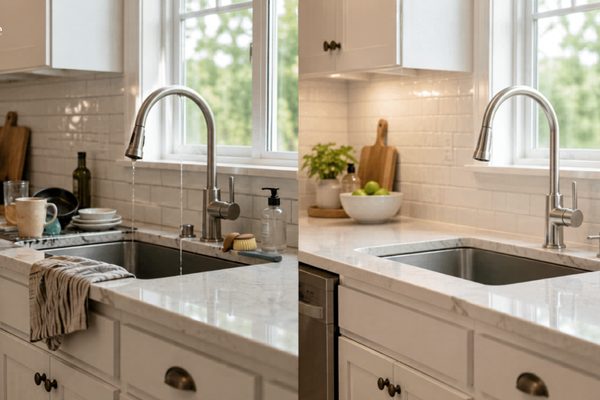
A broken tap rarely stays isolated in someone’s mind. The same can happen with a running toilet, slow drain, loose handrail, damaged screen, cracked caulking, missing switch plate, flickering light, or door that does not close properly.
At some point, the repair becomes a larger question.
Has this home been looked after?
Owners often stop seeing these items because they have lived with them for years. Everyone in the house knows the trick to make the door latch. Someone remembers which sink drains slowly. The broken tap becomes part of the scenery.
Fresh eyes read the house differently.
This is usually one of the first places I look during a pre listing walkthrough. I am looking for patterns. One small repair may barely register. Several small repairs can suggest that maintenance has been loose.
The strongest short term prep often starts here.
Fix the tap. Repair the toilet. Tighten the railing. Replace the missing switch plate. Address the minor electrical concern properly. Deal with the plumbing issue that has been quietly annoying everyone. Refresh the caulking where it looks tired or stained.
These fixes may seem unglamorous, which is partly why they work. People rarely celebrate a working toilet or a solid handrail. They do notice when those items are wrong.
Small repairs can remove easy objections before they become negotiation leverage.
The Showing Starts at the Street
The first impression begins before the front door opens.
People notice the walkway, steps, front door, railings, house numbers, exterior light, garden beds, windows, and overall approach. They also notice whether it feels safe and cared for.
Many sellers can improve that impression without taking on a large project.
A front door refresh can change the tone quickly. Clean the door. Wash the glass. Touch up worn paint where needed. Replace tired hardware if it looks rough. Make the house numbers easy to read. Add a clean mat. Check that the exterior light works.
Landscaping usually benefits from cleanup before redesign. Trim what is overgrown. Remove dead plants. Freshen the mulch where it makes sense. Keep the lawn and front step tidy. Repair anything that makes the approach feel neglected or unsafe.
I have seen this many times. A modest entry and landscaping refresh can make a home feel better cared for before anyone steps inside.
That first impression sets the emotional temperature for the rest of the showing.
Clean, Fresh, and Easier to Understand
Cleanliness does a lot of quiet selling.
Dated finishes are easier to process when the home feels clean and well maintained. Grime, odour, and neglected spaces create a different reaction.
Kitchens and bathrooms usually deserve the closest attention because people inspect them carefully. Floors, windows, baseboards, appliances, vents, closets, storage areas, garage spaces, and basements also shape how the property feels.
Odour deserves special care.
Pet areas, smoke smell, cooking smells, musty basements, and stale air can all affect buyer confidence. Heavy air fresheners usually make the problem worse because they draw attention to the possibility of a cover up.
A proper deep clean is often one of the safest first investments before listing. Many homes may only need a practical professional clean. Larger homes, long held properties, carpets, windows, move out cleaning, and odour work can cost more.
Clutter belongs in the same conversation.
A crowded room can feel smaller than it is. Storage can look weaker. Basements, garages, closets, and utility areas can become harder to understand.
This is common in long held homes, family homes, downsizing situations, and estate related moves. Most of the time, it is simply the normal accumulation of daily life. Every home seems to have at least one box of cords no one can identify.
Clearing counters, thinning closets, reducing excess furniture, organizing storage rooms, and improving access to mechanical areas can help people understand the house faster.
For homeowners thinking long term, this is one of the best places to begin. It can happen gradually, with less pressure and fewer rushed decisions.
For families helping parents prepare for a possible move, early decluttering can lower stress later and give everyone a clearer view of the home before listing becomes urgent.
Basement Moisture, Storage, and Buyer Concerns
In Fredericton, basements get attention.
An unfinished basement can still make sense to a buyer. The issue is whether people can understand what they are seeing.
Damp smells, staining, humidity, poor drainage clues, sump areas, stored items against foundation walls, blocked mechanical access, and signs of past water issues can all shape the reaction.
A seller may see an old stain and know it has been there for years. A buyer may see the same stain and start thinking about foundation work, insurance, heavy rain, and future cost.
The best basement prep reduces uncertainty.
Run a dehumidifier where needed. Extend downspouts. Clean the sump area. Improve air movement. Organize storage. Remove musty items. Keep belongings away from foundation walls where possible. Make mechanical systems easy to see and access.
Some moisture related concerns require proper repair, documentation, and disclosure. Advice before listing matters here. A basement issue handled clearly is easier for people to process than one that feels vague or hidden.
Basements are one of the places where uncertainty can get expensive quickly.
Systems and Paperwork Can Calm the Sale Down
Buyers in New Brunswick think about heating, insurance, maintenance, and monthly carrying costs.
That makes systems important.
Heat pumps, furnaces, boilers, oil tanks, fireplaces, wood stoves, pellet stoves, chimneys, electrical panels, plumbing, wells, septic systems, and older roofs can all shape buyer confidence.
A service record may look boring. It can still help.
Recent heat pump service, furnace records, chimney cleaning, WETT documentation, oil tank information, well tests, septic records, permits, invoices, warranties, and utility summaries can make the home easier to understand.
Some concerns move beyond cosmetic preference. Insurance and financing can enter the conversation. Older wiring, oil tank age, roof condition, wood burning appliances, moisture, septic questions, and missing permits can create friction after an offer is accepted.
During a pre listing review, I want to identify those issues early. That gives the seller a chance to gather records, correct items that need proper attention, and understand what may need to be addressed through pricing or disclosure.
The details will vary by property. Rural homes, older homes, homes with wood burning systems, and properties with major past renovations often need a closer look at documentation.
A clear story around the major systems helps the sale feel more manageable.
Online Presentation Shapes the First Showing
Online presentation affects the showing before the showing happens.
People decide what to view based on photos, layout, light, room clarity, exterior condition, and how the home compares with other options on the screen.
Poor photography can make a good home look weaker than it is. Dim rooms shrink online. Cluttered rooms feel smaller. Unclear layouts create hesitation. Seasonal mess, unfinished repairs, and awkward furniture placement can all reduce interest before anyone books a showing.
Photos should happen after the home is ready.
Before photography, replace burnt bulbs, clean fixtures, open heavy drapes, add lamps to darker rooms, and use consistent warm white bulbs where possible. A 3000K LED is often a practical target because it feels warm without becoming yellow or harsh blue.
Room purpose matters as well. People should be able to understand how each space works without needing a guided tour and a strong imagination.
Professional photos, floor plans, and 3D tours can be especially useful for larger homes, rural properties, relocation buyers, executive homes, and houses where layout is an important selling feature.
Good presentation helps the market see the value already there.
Price Has to Carry the Story
Preparation can improve how a home competes. Pricing still has to make sense.
A clean, bright, well documented home can attract stronger attention. People will still compare it against the alternatives available at the same time. That comparison starts online, continues during the showing, and usually sharpens before an offer is written.
That is why I like to connect the prep conversation to the pricing conversation.
If a seller is going to spend money before listing, the spending should have a clear purpose. It should improve buyer confidence, presentation, market position, or the likelihood of a smoother sale.
Some fixes help protect the deal. Some improvements help the home show better. Certain projects are better left alone, with the pricing plan adjusted accordingly.
The right answer depends on the property, the likely buyer pool, the competition, the price band, and the seller’s timeline.
That judgment is difficult to get from a generic checklist. It comes from looking at the home the way buyers will look at it, then comparing it with the options they can actually buy.
Seller Math Needs a Reality Check
This is where a reasonable decision can still create a resale problem.
A renovation can be worthwhile for daily life and difficult to recover at resale. Those are separate calculations.
Improving a kitchen because you want to enjoy it for the next five years can be a perfectly reasonable lifestyle decision. Spending mainly for resale value needs a tighter lens.
I was in a home recently where the owners had purchased only a couple of years earlier and had since spent well over $100,000 on a solar system. Their circumstances changed, and they needed to consider moving closer to work. Naturally, they were hoping to recover the solar investment, add profit, and cover moving expenses.
That expectation makes sense emotionally. The market may see it differently.
A major improvement can help a home compete. It can reduce operating costs. It can appeal to a specific buyer. It can become part of the property’s story.
The final price still has to be supported by the local market, the neighbourhood, competing homes, buyer demand, financing realities, and what buyers are prepared to pay for that specific feature.
Receipts are useful records. Market value still has to be earned in the eyes of buyers.
This is why large projects before selling need a careful conversation. Full kitchen renovations, premium bathrooms, basement conversions, additions, extensive landscaping, and major energy upgrades can involve serious money.
Before spending heavily, I would want to understand whether the likely buyer pool will pay for the improvement, whether the neighbourhood supports the finished price, whether the work can be completed properly, and whether the current condition is truly limiting the sale.
Unclear answers are a signal to slow down.
Timeline Changes the Plan
A homeowner with a few years can make calm, steady progress.
That may mean decluttering gradually, keeping better records, maintaining systems, improving the entry, addressing small repairs properly, and making lifestyle upgrades with resale in mind.
A seller with a few months needs a tighter plan. The focus usually moves toward showing quality, inspection confidence, buyer objections, and launch presentation.
A family facing a sudden move may need triage. In that situation, the best plan is practical and disciplined. Fix the obvious concerns. Clean thoroughly. Organize the paperwork. Prepare the home for photos. Price with a clear view of the competition.
The amount of time available changes the work. Good judgment keeps the plan focused.
How I Sort the Work Before Listing
During a pre listing walkthrough, I am trying to answer one practical question:
Which items are most likely to affect the result?
That means looking at the home through the concerns buyers are likely to bring with them.
Maintenance concerns include loose railings, broken taps, minor plumbing or electrical issues, damaged trim, tired caulking, sticking doors, and visible deferred repairs.
Moisture concerns include basement smell, staining, drainage clues, sump areas, humidity, downspouts, foundation access, and documentation for past work.
Cost concerns include heating systems, oil tanks, heat pumps, wood burning appliances, roof age, utility costs, wells, septic systems, permits, and service records.
Presentation concerns include cleaning, decluttering, lighting, room purpose, furniture placement, entry condition, exterior cleanup, photography readiness, and floor plan clarity.
Price brings everything together. The home has to compete with what buyers can actually choose right now.
This kind of review helps separate worthwhile prep from expensive noise.
Final Thought for Fredericton Homeowners
A strong listing starts with trust.
That trust is built through visible maintenance, clean presentation, basement clarity, useful documentation, thoughtful launch preparation, and disciplined pricing.
For homeowners in Fredericton and the surrounding area, the best preparation often starts before pressure arrives. A pre listing conversation can help you decide where to spend, where to pause, and which small fixes may make the eventual sale smoother.
The aim is a clearer plan, fewer avoidable objections, and a home that enters the market with stronger footing.
